
Smart Home Electrical Systems: Trends and Innovations


The Rise of Smart Home Electrical Systems
As the world becomes increasingly interconnected, smart home electrical systems are revolutionizing the way we interact with our living spaces. From controlling lighting with voice commands to optimizing energy use, these systems offer convenience and efficiency like never before. The integration of artificial intelligence and the Internet of Things (IoT) has opened new possibilities for home automation.
Energy Efficiency and Cost Savings
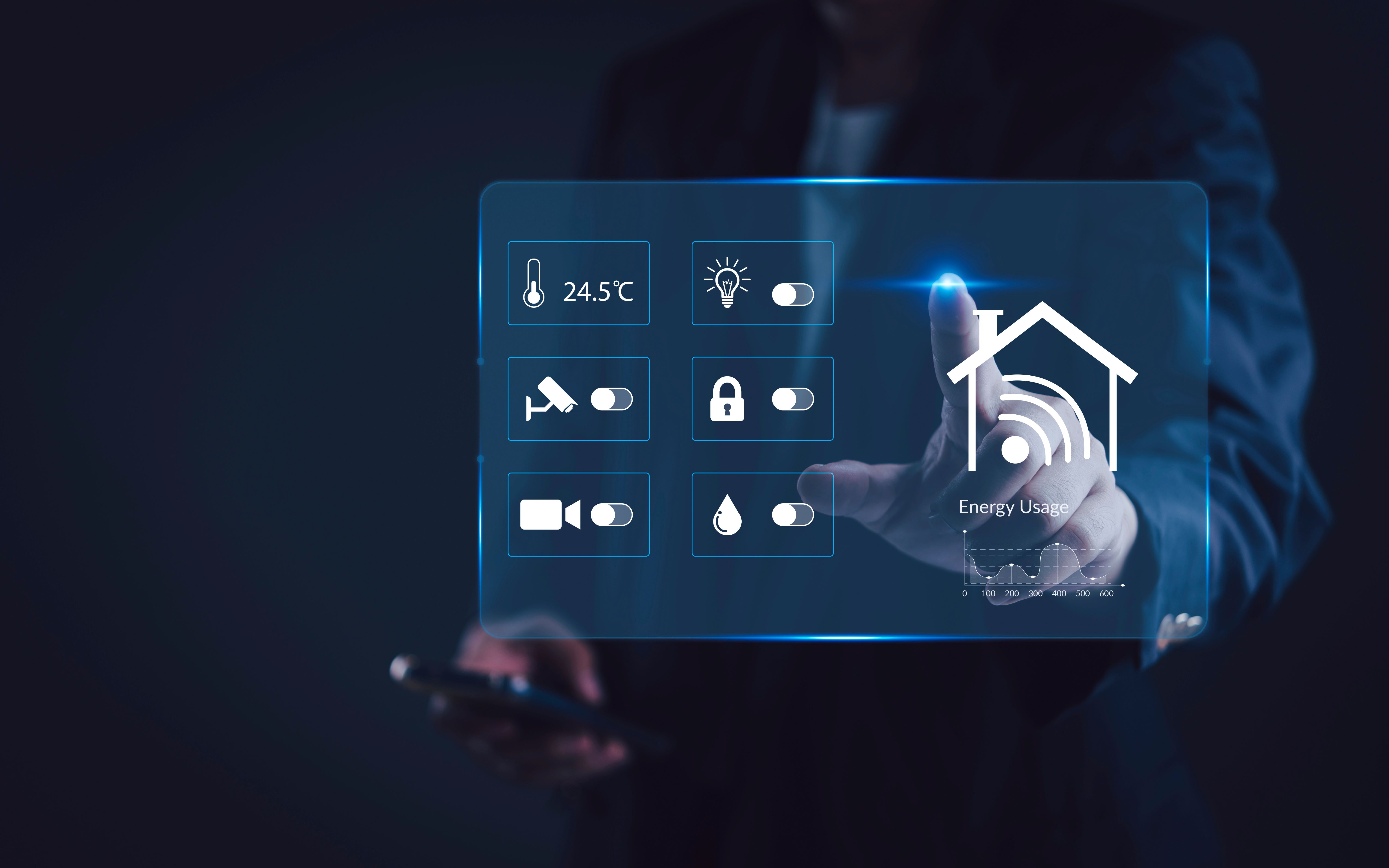
One of the most significant benefits of smart home electrical systems is their ability to enhance energy efficiency. By utilizing smart thermostats and energy-monitoring devices, homeowners can significantly reduce their utility bills. These devices learn user habits and adjust settings automatically, ensuring optimal energy consumption without compromising comfort.
Moreover, smart lighting systems, which adjust based on occupancy and natural light, further contribute to energy savings. Homeowners can schedule lights to turn off when not needed, reducing waste and promoting sustainability.
Enhanced Security Features
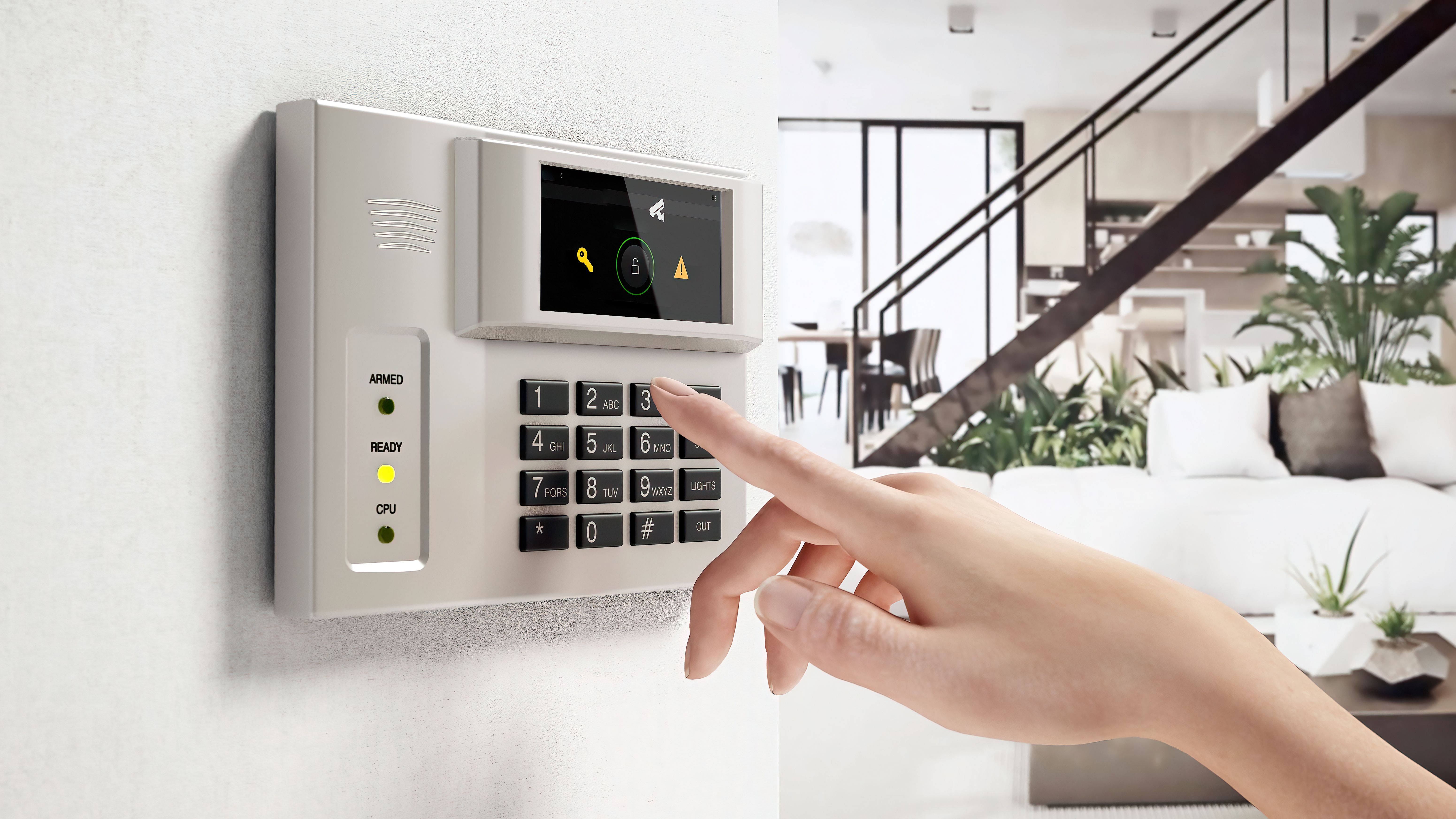
Security is another area where smart home systems excel. Modern security systems come equipped with smart locks, cameras, and motion sensors that can be monitored and controlled remotely. Homeowners can receive real-time alerts and even interact with visitors through video doorbells, adding an extra layer of protection to their homes.
Seamless Integration with Voice Assistants
Voice assistants like Amazon Alexa, Google Assistant, and Apple's Siri have become integral to smart home systems. They allow users to control various devices using simple voice commands, making home automation more accessible. Whether it's adjusting the thermostat or playing music, voice assistants provide a hands-free experience that enhances convenience.
This integration also supports routine automation, enabling users to set specific actions to occur at certain times of the day. For example, a "Good Morning" routine might include opening blinds, starting the coffee maker, and reading the day's headlines.

The Future of Smart Home Technology
The future of smart home electrical systems promises even more innovation. As technology advances, we can expect more personalized and intuitive solutions that cater to individual preferences. Emerging trends like machine learning and advanced data analytics will further refine the functionality of these systems, offering users a truly customized experience.
Additionally, the development of interoperable platforms will enable seamless communication between different devices and brands, eliminating compatibility issues and streamlining the user experience.
Challenges and Considerations
Despite the numerous benefits, there are challenges to consider. Privacy and security concerns are paramount, as smart home systems can potentially be vulnerable to hacking. Manufacturers are continually working to enhance security protocols, but users must also be vigilant about safeguarding their networks.
Cost is another consideration, as the initial investment in smart home technologies can be substantial. However, the long-term savings in energy costs and the added convenience often justify the expense for many homeowners.
Conclusion
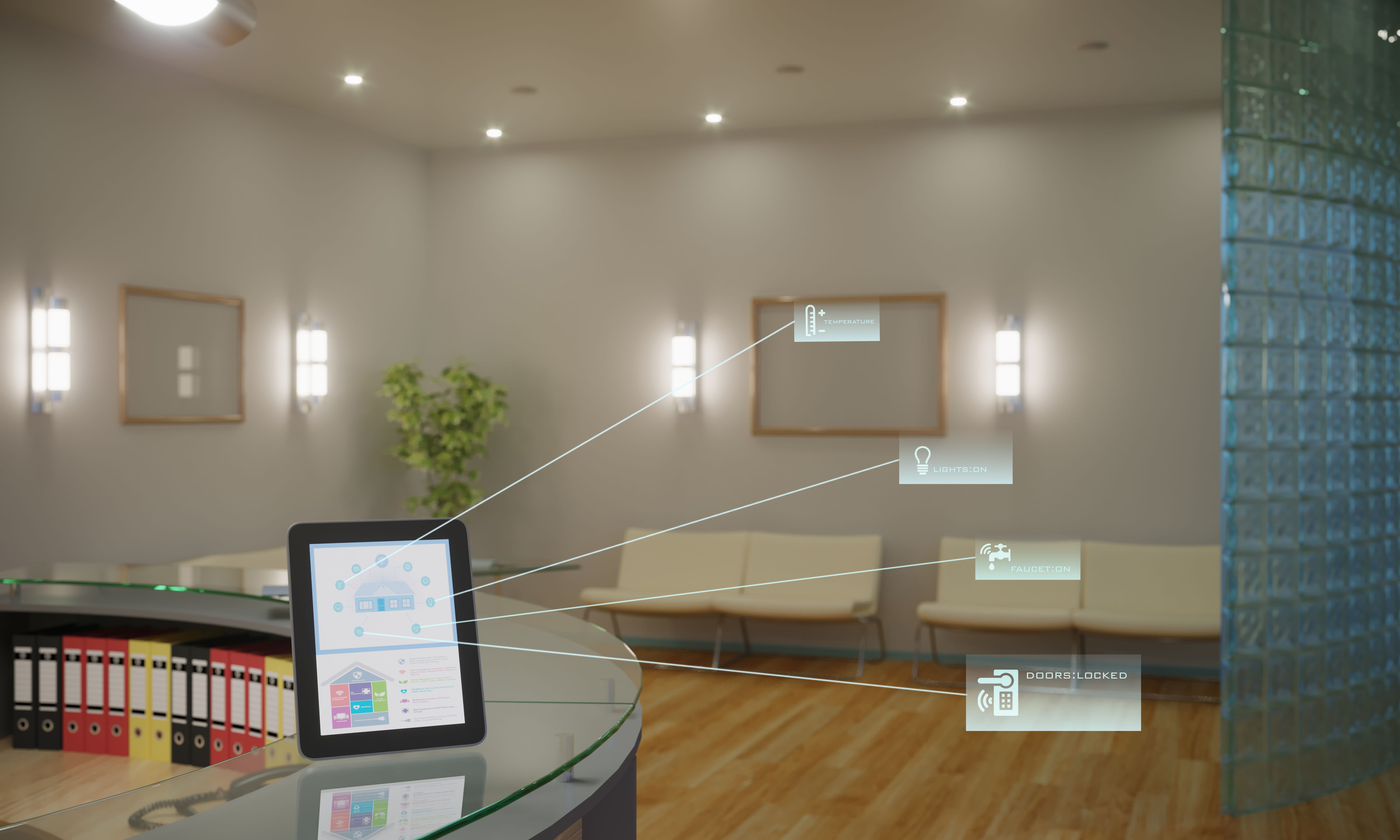
Smart home electrical systems represent a significant leap forward in home automation, offering unparalleled convenience, efficiency, and security. As technology continues to evolve, these systems will become even more integral to modern living, transforming our homes into intelligent, responsive environments. Embracing these innovations today can lead to a more connected and sustainable future.